
Welcome to my website.Here you can explore my music, learn more about my work, and get in touch.
Emilio Paez
Have you watched Haikyuu!? Do you know Oikawa?If I had to introduce myself, I'd say that I relate deeply to this character and his view of talent.I'm a composer, and there have been many times when I've wanted to give up on music. Let me tell you why.My first encounter with music came through imitation. YouTube tutorials weren't as common back then, so I spent hours watching a neighbour, a family friend, or a classmate play guitar, then going home and trying to figure it out myself.I fell in love with the guitar. But there were always people who had been playing longer than I had, and I felt I could never reach their level. I practised every day, all the time. I only stopped to eat.Eventually, I improved and became a finalist in the Yamaha Revstar competition in 2018. It was the first time I had performed live in front of more than a hundred people.I was terrible.I was overwhelmed by how good the other musicians were. In my hometown, I was already considered one of the people who could play. But at a national competition, I realised how much further I still had to go.At the same time, something caught my attention: a few of the participants performed their own music.I fell in love with that idea.What could be better than creating music?I decided that composition was a skill I wanted to develop as far as possible, just as Oikawa devoted himself to perfecting his serve. I also realised that there was something beautiful about imagining an instrument—or a musician—and writing music that could bring out the best in them and help them move others emotionally, much like Oikawa does through his sets for his teammates.Later, I joined my high school choir and fell even more in love with composition. To me, the real genius wasn't the tenor or the soprano. It was the person who wrote the music and understood how to use every voice to create the strongest possible experience.During those years I spent countless hours studying music theory and harmony. I also applied to music school.I didn't get in.Once again, I found myself surrounded by people who had fallen in love with music much earlier than I had. People who had been sitting at the piano since they were children.But this time something was different.Instead of giving up, I decided I would catch them.I decided that I would reach a level where I could compose whatever I imagined and play it myself. I wanted to create music that moved people—not just music that displayed technical skill.I refused to quit simply because I started piano at seventeen or wrote my first piece at eighteen.Learning piano was difficult. Learning how to compose something worth sharing was difficult too.But I keep trying.I keep trying to write better music, to become a better musician, and to make more honest art.Talent is a seed that can flourish if it is nurtured correctly.Trusting that your potential is not limited by how early you started—and continuing to walk your own path despite that—can be difficult and relentless. But maybe tomorrow, or next year, or years from now, you'll have the opportunity to let your talent bloom.— Oikawa Tōru's coachToday I compose quiet piano music, improvise, perform, and share my work. Through projects such as The Wind Feels Light, I explore stillness, attention, and the possibility of finding meaning in everyday moments.
Albums
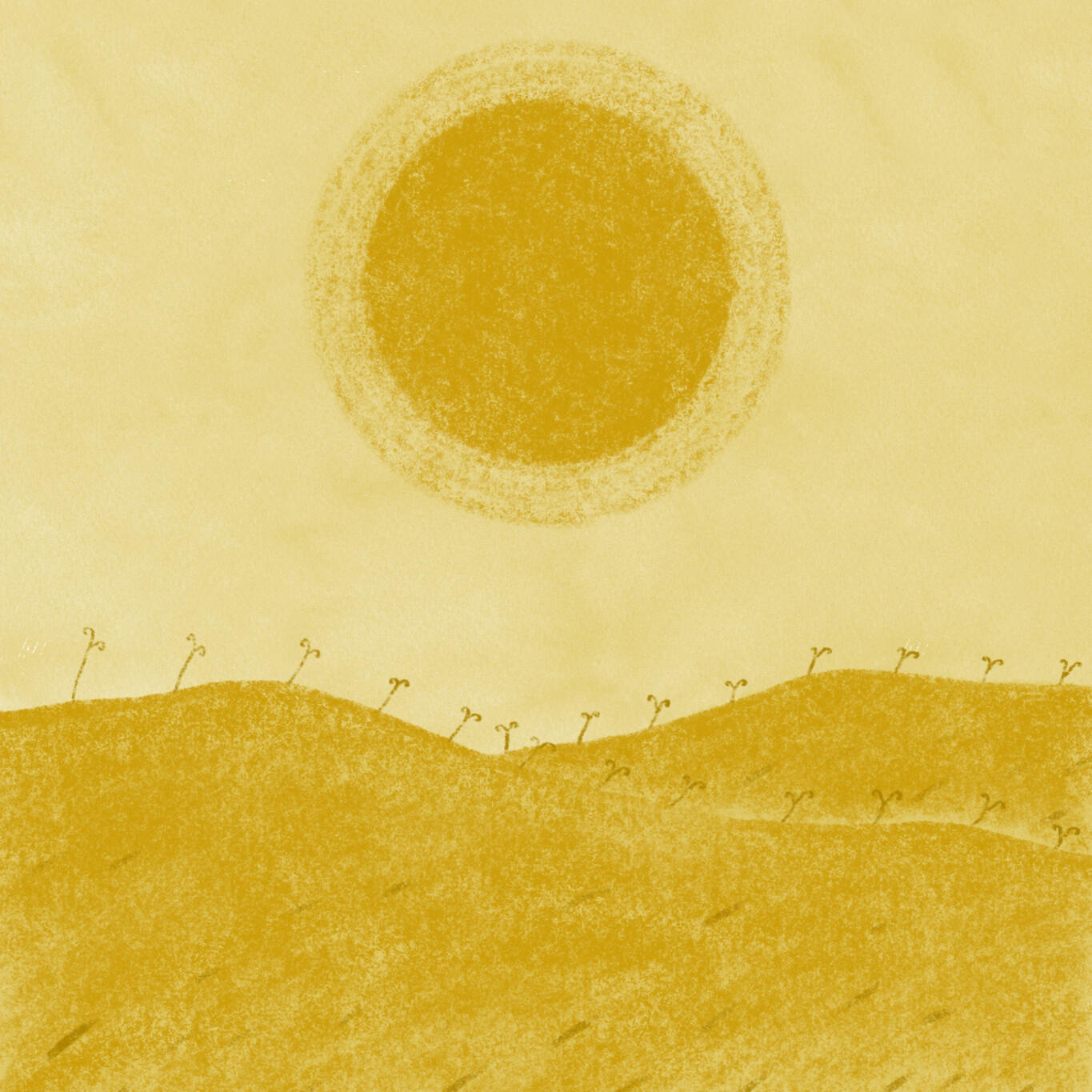
The wind feels light
(2026)
Videos
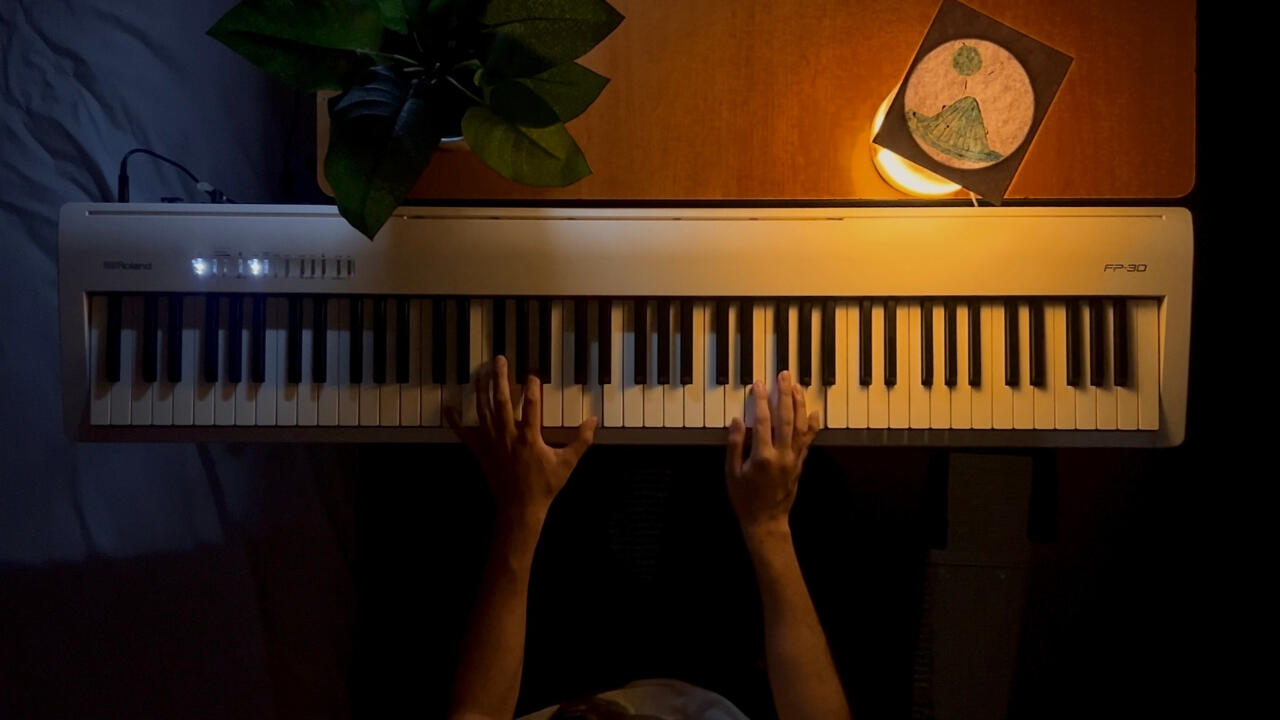
Pauses
(Piano improvisations)
Newsletter
I would love to let you know when I release music or what I'm working on, and if you would like to receive such notifications, just register below.
Send me a message
Interested in collaborating?I'm open to collaborations, performances, and creative projects.If you'd like to use my music in a project, organize a concert, or develop an idea together, feel free to reach out through Instagram.
The wind feels light
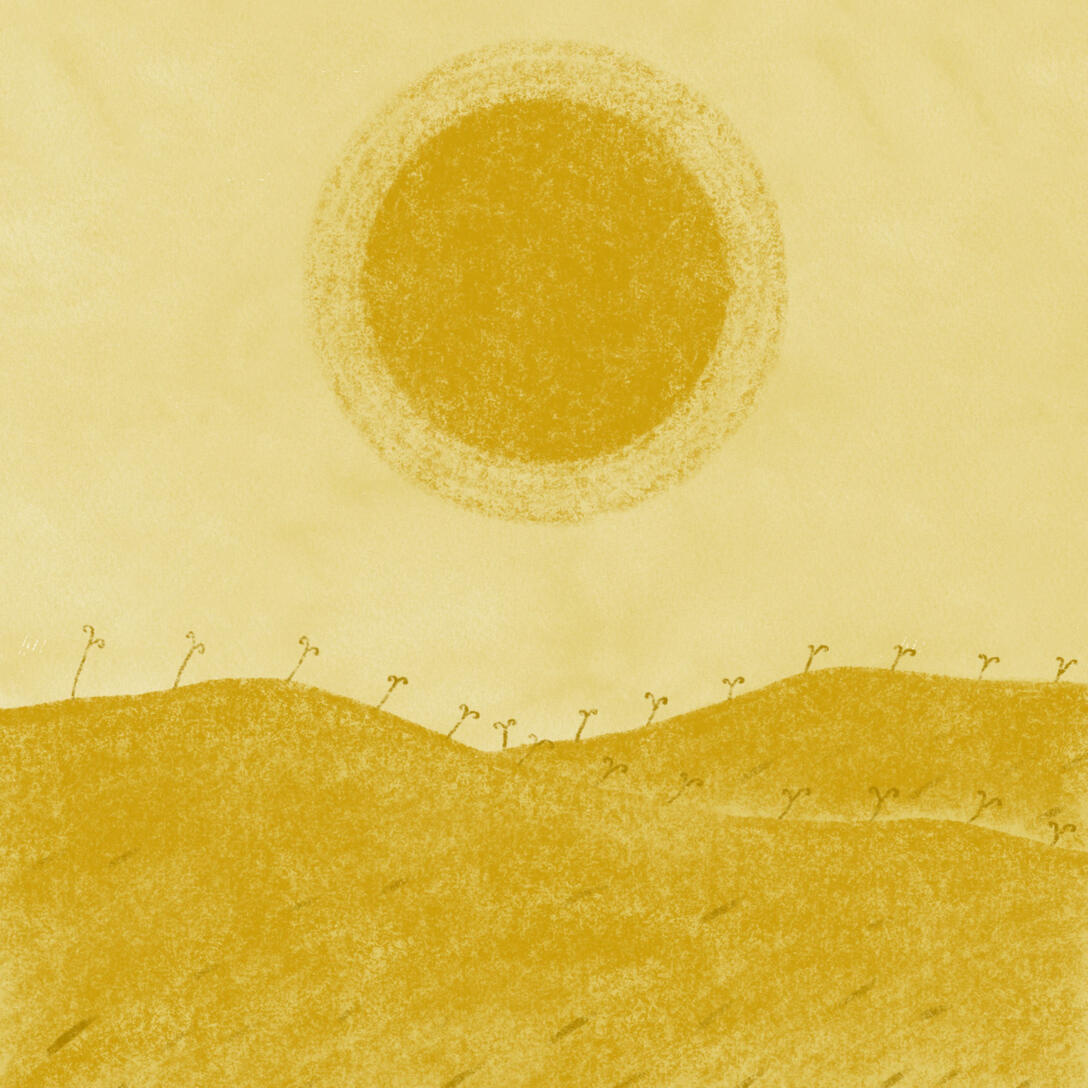
This is my first album inspired by the changing light throughout the day. From the warmth of sunset to the stillness of the blue hour, it explores how light shapes mood, memory, and melody through solo piano and ambient textures.